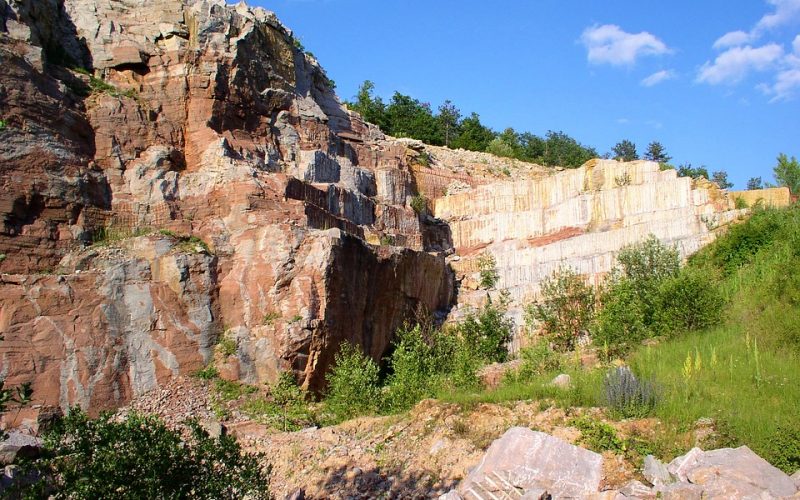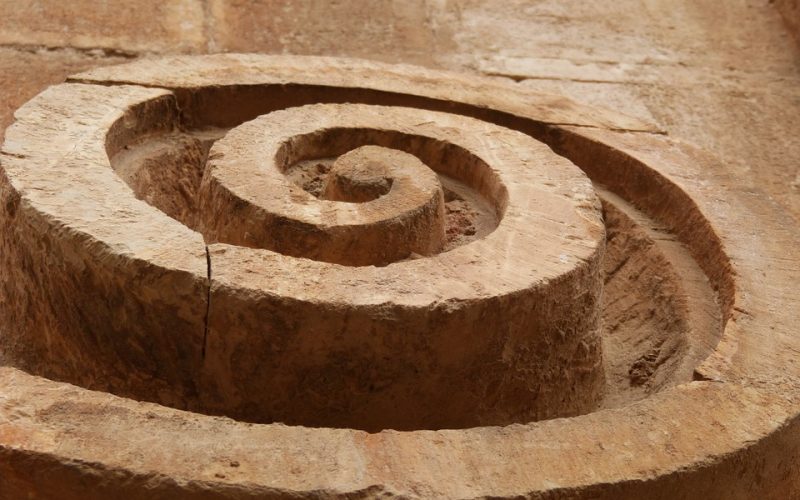
Hard stones like granite, basalt, and quartzite rank high on the Mohs hardness scale, meaning they resist scratching and wear far better than softer materials like soapstone or alabaster. That resilience is exactly what makes them so desirable — and so demanding. Hand tools alone rarely cut it. To shape these materials effectively, you need power behind every cut.
Essential power tools for hard stone carving
The angle grinder is the workhorse of hard stone carving. Fitted with diamond-tipped cutting or grinding discs, it can remove large amounts of material quickly and handle everything from rough shaping to surface smoothing. Choose a grinder with variable speed settings so you can slow things down for detailed work without sacrificing control.
For more intricate carving, a rotary tool — such as a Dremel fitted with diamond burrs — gives you the precision that larger tools simply cannot. These are ideal for undercutting, texturing, and refining edges on smaller sculptures. Pneumatic carving tools are another popular choice among professional stone sculptors, offering power and speed with less fatigue over long carving sessions.
A wet saw or bridge saw becomes essential when you need to cut slabs or block stone down to a manageable size before detail work begins. These saws use a continuous stream of water to cool the blade and reduce dust — both critical considerations when working with hard stone.
Techniques that get results
Start rough and work inward. The most common mistake beginners make is reaching for fine-detail tools too early. Begin by removing bulk material with your angle grinder, gradually refining the form before switching to smaller rotary tools for surface detail. Working in stages prevents overcutting and gives you better control over the final shape.
Keep your tools — and your stone — cool. Friction generates heat, and excessive heat can cause hard stone to crack or discolour. Always use water when cutting or grinding, and take regular breaks to let both the tool and the material cool down. Many carvers keep a spray bottle on hand for quick cooling during dry work.
Safety should never be an afterthought
Stone dust is one of the most serious hazards in any carving studio. Silica particles released during cutting and grinding can cause irreversible lung damage when inhaled over time. A high-quality P100 respirator is non-negotiable, as is working in a well-ventilated space or outdoors when possible. Eye protection, hearing protection, and cut-resistant gloves round out the essential safety kit.
Hard stone carving demands patience, the right equipment, and a willingness to slow down when the material pushes back. Master those fundamentals, and even the toughest stones become workable.